Column · @devinfthu410
How Emergency Dentist Ventura Helps With Swollen Gums and Face Pain

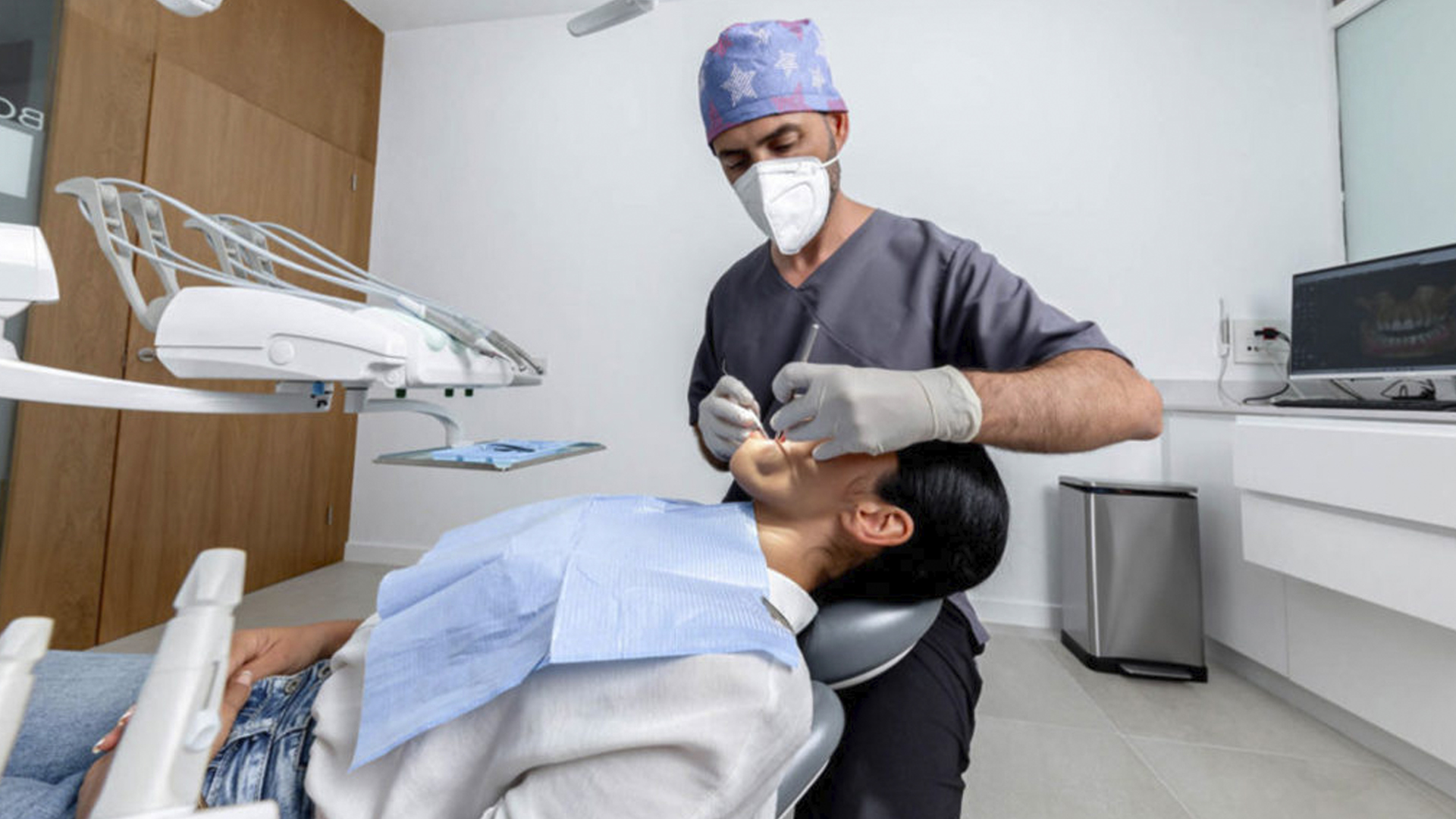

Swollen gums and face pain have a way of taking over the day fast. What starts as tenderness near one tooth can become pressure in the cheek, trouble chewing, a throbbing jaw, or swelling that changes how your face looks in the mirror. People often hope it will settle down after a rinse, a pain reliever, or a night of sleep. Sometimes it does not. When the source is a dental infection, an abscess, trauma, or a severely inflamed tooth, waiting can turn a manageable problem into a much harder one.
That is where an Emergency Dentist Ventura becomes important. Emergency dental care is not just about relieving pain, though that matters. It is also about finding the source of swelling, determining whether infection is spreading, protecting the tooth if possible, and deciding whether the right next step is drainage, root canal treatment, extraction, medication, or referral for broader medical care. The difference between routine soreness and a true dental emergency is often in the details, and those details are best judged by someone who sees these cases regularly.
Why swollen gums and facial pain should not be brushed off
Gum swelling can happen for simple reasons. Food debris stuck between teeth, aggressive flossing, a popcorn hull wedged under the gumline, or a poorly fitting dental appliance can irritate tissue and cause local tenderness. But when the swelling is significant, painful, warm, persistent, or paired with facial pressure, the concern shifts. Dentists start thinking about infection, advanced decay, a cracked tooth, a failing filling or crown, periodontal disease, or a wisdom tooth problem.
Facial pain adds another layer. Many patients describe it in ways that sound vague at first. They say their cheek feels full, their ear aches, the side of the nose hurts, or the pain moves from the upper jaw to the temple. Dental pain often refers, which means the source and the felt location are not always the same. An upper molar infection can feel like sinus pressure. A lower back tooth can send pain into the jaw joint or down the neck. That is why self-diagnosis is unreliable, especially when swelling is involved.
In clinical practice, one of the more common patterns looks like this: a patient has a cavity that did not hurt much for months, then suddenly develops deep throbbing pain and gum swelling near that tooth. By the time the face feels puffy, the pulp inside the tooth may already be infected or dead. At that point, the body is not dealing with a simple cavity anymore. It is dealing with bacteria and inflammation in a confined space, and pressure builds quickly.
What an emergency dentist is looking for right away
When someone comes in with swollen gums and face pain, the first goal is triage. Not every case needs the same treatment, and not every case is safe to postpone. An emergency dentist will usually focus on a few immediate questions: how fast the swelling developed, whether there is fever, whether the patient can swallow and breathe normally, whether the pain is sharp or throbbing, and whether there has been recent dental work, trauma, or a broken tooth.
The exam often includes visual inspection, checking the gums for fluctuant swelling or https://rentry.co/e75nw8xa drainage, tapping on teeth to identify percussion sensitivity, testing temperature response when appropriate, and taking dental X rays. Those X rays matter because infection is not always visible from the outside. A tooth can look fairly ordinary above the gumline and still have a large infection at the root.
A seasoned clinician is also watching for red flags. Swelling under the jaw, rapidly increasing facial asymmetry, severe trismus, which means difficulty opening the mouth, foul-tasting drainage, and general malaise can all point to a more serious infection. If the issue has crossed beyond what can be safely handled in the office, the patient may need urgent medical evaluation.
That judgment is where emergency dentistry proves its value. Pain alone is not the whole story. Two patients can rate pain at the same level and need completely different interventions.
The most common causes behind the swelling
A number of dental conditions can produce swollen gums and face pain, but they do not all behave the same way.
A tooth abscess is one of the most common causes. This typically starts with decay, a crack, or deep restoration failure that lets bacteria reach the inner pulp. Once the pulp becomes infected, pressure and inflammation build around the root. Gum swelling may appear like a raised bump near the tooth, or the face may swell more diffusely if the infection spreads into surrounding tissue.
Periodontal abscesses are different. These arise in the supporting gum and bone structures around a tooth, often where there is deeper periodontal pocketing. Patients may say the tooth feels high or sore to bite on, but the issue is not necessarily inside the tooth. Treatment can involve cleaning the area, drainage, and addressing underlying gum disease.
Partially erupted wisdom teeth are another frequent culprit, especially in younger adults. The gum flap over the tooth can trap bacteria and debris, creating localized swelling and painful inflammation called pericoronitis. In some cases, the swelling affects the cheek and makes opening the mouth uncomfortable.
Trauma complicates things further. A cracked tooth may not be obvious without magnification or imaging, yet it can produce severe pain and later infection. Failed crowns, loose fillings, and heavy grinding can also trigger inflammation that escalates fast.
Sinus issues and dental issues sometimes blur together, particularly in the upper back teeth. That is one reason emergency dentists do not rely on symptoms alone. The pattern of pain helps, but direct examination and imaging usually settle the question.
How an Emergency Dentist Ventura treats the immediate problem
People often expect one universal answer, usually antibiotics or a quick filling. In reality, emergency treatment is tailored to the source. The first objective is to reduce risk and stabilize the situation. Pain relief matters, but definitive care matters more.
If the tooth is restorable and the infection is rooted in the pulp, root canal treatment may be the best path. This removes infected tissue from inside the tooth, disinfects the canal system, and allows the area around the root to calm down. In many cases, that can save a tooth that would otherwise be lost.
If there is localized abscess swelling, the dentist may need to drain it. Drainage lowers pressure, reduces pain, and helps the tissue recover. Patients often feel meaningful relief once that pressure is released, even before full treatment is completed.
If the tooth is too damaged to save, extraction may be the more predictable choice. That is not always what patients hope to hear, but there are cases where keeping a tooth would mean ongoing infection, repeated treatment, and poor long-term prognosis. An experienced emergency dentist explains that trade-off clearly instead of promising more than the tooth can realistically deliver.
When gum disease is the source, treatment may focus on cleaning under the gumline, relieving the abscess, and planning periodontal follow-up. For wisdom tooth infections, the immediate step may be irrigation, pain control, and infection management, followed by a discussion about whether the tooth should come out once the acute flare settles.
Antibiotics have a role, but they are not a substitute for dental treatment. That point is worth stressing. If a tooth is infected internally, antibiotics may temporarily reduce swelling, yet the source remains. Pain often returns once the medication stops unless the tooth is treated or removed. Over the years, many patients have arrived saying they finished a course of antibiotics from urgent care and felt better for a week, only to have the swelling come back worse. That pattern is common because the bacteria may be suppressed without the dental source being eliminated.
When same-day care is the right move
There are situations where waiting a few days is risky, not just uncomfortable. Same-day assessment is especially important when swelling is increasing or spreading beyond the gums.
Seek urgent evaluation if you notice any of the following:
- Swelling that extends into the cheek, jaw, or under the eye
- Fever, chills, or a generally sick feeling along with dental pain
- Trouble swallowing, speaking clearly, or opening the mouth
- A bad taste in the mouth with pus or drainage near a tooth
- Pain that wakes you up, does not improve, or gets worse quickly
These signs do not automatically mean hospitalization, but they do move the case out of the wait-and-see category. An Emergency Dentist Ventura can determine whether office treatment is enough or whether the infection has become a broader medical concern.
What patients can do before they are seen
Home care cannot cure an abscess or reverse advanced infection, but it can help reduce irritation while you arrange treatment. The key is to avoid making the area angrier.
A warm saltwater rinse is usually reasonable. It can soothe inflamed tissue and help clear debris, especially around swollen gums near a partially erupted tooth. Stick with warm, not hot. Heat that feels intense can sometimes make throbbing feel worse.
Over-the-counter pain medication may help if you can take it safely and as directed on the label. Dentists often see people overdo this step because they are desperate for relief. More is not better. It only adds stomach, liver, or kidney risks on top of the dental problem.
Cold compresses on the outside of the face can be useful for swelling and comfort. Avoid placing aspirin directly on the gum. That old home remedy can burn soft tissue and create a second painful problem.
Until you are examined, it also helps to avoid chewing on the painful side, especially if the tooth feels high, cracked, or extremely tender.
Before your appointment, these steps are usually sensible:
- Rinse gently with warm saltwater a few times during the day
- Use a cold pack on the outside of the face in short intervals
- Take only label-directed pain medicine if it is safe for you
- Avoid very hot, very cold, or hard foods that trigger pain
- Call promptly if swelling increases or breathing feels affected
Patients sometimes ask whether they should start leftover antibiotics from a previous illness. The answer is no. The wrong antibiotic, the wrong dose, or an incomplete course can muddy the picture without solving the problem.
Why diagnosis matters more than guesswork
One of the trickiest parts of facial pain is that not every painful face is a dental infection. Clenching can inflame jaw muscles and make the side of the face ache. Sinus inflammation can mimic upper tooth pain. Salivary gland issues, nerve pain, and even skin infections can produce swelling near the mouth or jawline.
That does not mean you should dismiss a dental origin. It means professional diagnosis matters. Emergency dentists develop a practical feel for the pattern. A tooth that is exquisitely tender to bite on, nonresponsive to cold, and associated with localized gum swelling points in one direction. Diffuse pressure in several upper back teeth that worsens when bending over may point somewhere else. The distinction affects everything from imaging to medication to whether the patient should be referred.
There is also the matter of timing. Early infections can be subtle on X ray, while pain from a cracked tooth may be severe before there is dramatic swelling. That is why the examination is a synthesis, not a single test result. Good emergency care depends on clinical judgment as much as equipment.
What treatment day may feel like
Patients are often anxious about emergency visits because they assume they will be in the chair for hours or have major work done with no warning. Emergency care is usually more focused than that. The appointment is built around diagnosis, immediate relief, and a safe next step.
If the area is very inflamed, getting numb may take more skill and patience than it does in routine care. Inflamed tissue can be harder to anesthetize, and that is something experienced dentists account for. They adjust technique, work deliberately, and explain what is happening. That kind of chairside communication matters more in emergencies than in almost any other kind of dental visit.
Sometimes the definitive treatment happens the same day. Sometimes the first visit is about opening and draining the area, starting indicated medication, smoothing a sharp broken tooth, or stabilizing the situation so more complete care can be done once the swelling decreases. There is no one-size-fits-all script. The right emergency dentist is not the one who does the same thing every time, but the one who chooses the safest and most effective next move for the actual problem in front of them.
Children, older adults, and medically complex patients
Swollen gums and facial pain deserve extra caution at the edges of age and health status.
In children, dental infections can progress faster than many parents expect. Kids may not localize pain well, so they complain of earache, refuse food, or wake at night rather than saying a specific tooth hurts. Facial swelling in a child should be taken seriously, especially if it is paired with fever or fatigue.
Older adults present their own challenges. Root decay, dry mouth from medications, existing crowns, and reduced sensation can delay recognition until the infection is advanced. Some seniors also minimize pain because they do not want to be a bother. By the time visible facial swelling appears, the situation may have been developing quietly for a while.
Patients with diabetes, immune suppression, recent chemotherapy, or a history of serious infections need prompt evaluation as well. Their risk profile is different. A problem that remains localized in one person can spread more readily in another.
The role of antibiotics, and the limits of them
Antibiotics deserve a separate mention because they are so often misunderstood in dental emergencies. They can be essential when infection is spreading, when there is facial swelling, when there are systemic symptoms, or when local treatment alone will not adequately control the situation in the short term. But antibiotics are support, not the main repair.
Think of it this way: if a tooth has a dead infected nerve, the bacteria are sheltered inside a structure with poor blood supply. Medication may help surrounding tissues, but it usually cannot fix the diseased pulp by itself. That is why root canal treatment or extraction is often still necessary even after the swelling starts to improve.
Overprescribing antibiotics is not good care. Neither is refusing them when they are clearly indicated. Good emergency dentistry lives in that middle ground where judgment matters. The best treatment plan is the one that addresses the source, the severity, and the patient’s overall health all at once.
Preventing the next emergency after the pain is gone
Once a patient feels better, it is tempting to move on and forget the episode. That is how repeat emergencies happen. If the dentist has stabilized the problem but recommended follow-up, that follow-up is part of the treatment, not an optional extra.
Teeth that receive emergency root canal access usually need completion and then a final restoration. Extracted teeth may need a plan for replacement depending on location and bite. Gum infections need periodontal care if the underlying pockets remain. Wisdom tooth flare-ups often return if the tooth position keeps trapping debris and bacteria.
Regular exams are not just about cleanings. They are where failing restorations, deepening gum pockets, cracked teeth, and silent decay are often caught before the face swells and the pain starts radiating. Most true dental emergencies give warning signs somewhere along the way. A little sensitivity, a food trap, occasional bleeding when flossing, a crown that feels slightly loose. Patients who learn to act on the early signs usually avoid the worst days.
What to expect from the right emergency dental team
When people search for an Emergency Dentist Ventura, they are usually in pain, worried, and short on patience for vague answers. A strong emergency dental team understands that. They make room for triage, ask targeted questions, evaluate carefully, and tell patients plainly what is happening and what needs to happen next.
That clarity matters as much as technical skill. Patients want to know whether the tooth can be saved, whether the swelling is dangerous, whether antibiotics are needed, what the treatment will cost in time and discomfort, and what they should watch for when they go home. Good emergency care answers those questions without sugarcoating and without alarmism.
Swollen gums and face pain sit at the intersection of discomfort and risk. Sometimes the answer is relatively simple, like removing trapped debris or treating a localized gum infection. Sometimes it is more involved, like draining an abscess and starting definitive treatment for a compromised tooth. Either way, prompt assessment changes outcomes. It relieves suffering, prevents unnecessary spread of infection, and gives the patient a clear path forward instead of another night spent hoping the swelling will somehow settle on its own.
Avra Dental
1708 S Victoria Ave B, Ventura, CA 93003, United States
Phone: +1 805-765-3206
FAQ About Emergency Dentist Ventura
Can the ER do anything for tooth pain?
An emergency department can assess serious symptoms and provide temporary relief, but definitive dental treatment usually requires a dentist. Trouble breathing or swallowing, uncontrolled bleeding, or swelling spreading into the neck requires emergency medical care.
What do I do if I have a dental emergency and no dentist?
Contact a local emergency dental practice promptly, explain your symptoms, and ask about the earliest available assessment. Avra Dental provides emergency dentistry in Ventura; call to confirm availability. If you have life-threatening symptoms or a serious facial injury, go to an emergency department or call 911.
What do I do if tooth pain is unbearable?
Seek urgent dental assessment rather than waiting for the pain to pass. While arranging care, gently rinse with warm water and avoid placing aspirin directly on the tooth or gums. Severe pain with trouble breathing or swallowing, rapidly spreading swelling, or uncontrolled bleeding needs immediate emergency medical care.